
Call us now :08037735925
 Send Inquiry
 Send Inquiry
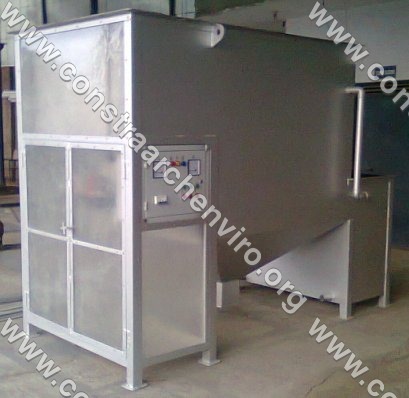
Coolant Effluent Treatment Plant
Price 325000 INR/ Plant
MOQ : 1 Plant
Coolant Effluent Treatment Plant Specification
- Water Source
- Industrial Effluent
- Installation Type
- Containerized Plug & Play
- Capacity
- Up to 30 KLD
- Treatment Technique
- Activated Sludge Process(ASP)
- Automation Grade
- Semi-Automatic
- Power
- 0.25 KW
- Application
- Food Industry, Industrial Coolant
- Product Type
- Effluent Treatment Plant
- Technology
- ASP
- Power Source
- Electric
- Operation Type
- Automatic
- Dimension (L*W*H)
- Customized
- Weight
- Approx. 2-3 Tons
- Color
- Industrial Blue
- Capacity Intel Flow Rate
- 50 m3/day
- Discharge Quality
- Compliant
- Paint Type
- Corrosion resistant
- Effluent Type
- Coolant based
- Design
- Compact module
- Phase
- Three Phase
- Blower Count
- 1 unit
- Mobility
- Portable skid mount
Coolant Effluent Treatment Plant Trade Information
- Minimum Order Quantity
- 1 Plant
- Payment Terms
- Cash in Advance (CID)
- Supply Ability
- 5 Plants Per Month
- Delivery Time
- 1 Days
- Main Export Market(s)
- Asia, Australia, Central America, North America, South America, Eastern Europe, Western Europe, Middle East, Africa
- Main Domestic Market
- All India
About Coolant Effluent Treatment Plant
Coolant ETP (Effluent Treatment Plant) is specially designed for the effective treatment and recycling of coolant-contaminated wastewater generated from industrial machining, automotive, engineering, and manufacturing processes. Manufactured using advanced treatment technology and high-quality components, coolant ETP systems help remove oil, grease, metal particles, suspended solids, and harmful contaminants from industrial effluents. These plants ensure compliance with environmental regulations while reducing water wastage and operational costs. Known for efficient performance, low maintenance, durable construction, and energy-efficient operation, coolant ETP systems are widely used in factories, workshops, CNC machining units, and industrial production facilities.
Here you will find a Coolant Effluent Treatment Plant, which is a type of wastewater treatment procedure designed to clean industrial effluent and reuse it. The goal is to release clean water into the environment while preventing effluent's negative impacts. The installation and operation of this plant are both simple. Coolant Effluent Treatment Plant is currently available in a variety of configurations. A treatment process known as ETP is essential because industrial wastewater contains a wide spectrum of pollutants.
Compact and Containerized Design
Engineered for easy installation and relocation, the portable skid-mounted design allows seamless integration into existing industrial setups. Its containerized, plug-and-play configuration enables swift start-up without extensive site work, while robust materials and corrosion-resistant paint ensure long-term durability in challenging environments.
Advanced Effluent Treatment Technology
Utilizing the Activated Sludge Process (ASP), this plant delivers high-quality treatment for coolant-based industrial effluents. With precise automation and a reliable single-blower system, the plant optimizes oxygen transfer and microbial activity, ensuring environmentally compliant effluent discharge suitable for stringent industry standards.
Tailored for Industrial Applications
The plant is purpose-built for applications in the food industry and coolant handling sectors. With customizable dimensions, adaptable capacity up to 30 KLD, and semi-automatic controls, it meets diverse operational needs while upholding compliance, efficiency, and ease of use.
FAQ's of Coolant Effluent Treatment Plant:
Q: How does the Coolant Effluent Treatment Plant treat industrial coolant effluent?
A: The plant employs the Activated Sludge Process (ASP), where air is supplied by the integrated blower to support microbial breakdown of contaminants in coolant-based industrial effluent. This results in compliant, treated water ready for safe discharge.Q: What are the main benefits of the containerized plug-and-play design?
A: The containerized plug-and-play setup allows for swift transportation, quick on-site installation, and minimal civil work. It's especially advantageous for facilities needing rapid setup or relocation flexibility.Q: When is maintenance typically required for this effluent treatment plant?
A: Routine maintenance is recommended as per manufacturer instructions, generally involving frequent checks of the blower, cleaning of filters, and periodic inspection of moving parts to maintain operational efficiency and compliance.Q: Where is this treatment plant most effectively used?
A: This system is ideal for the food processing sector and facilities handling industrial coolants, particularly those seeking on-site, compliant effluent management with the option for mobile deployment.Q: What is the process for installing the portable skid-mounted unit?
A: Installation involves positioning the containerized skid at the desired location, connecting the inflow and discharge lines, and supplying electrical power. Its plug-and-play design ensures quick setup with minimum technical intervention.Q: How is discharge quality ensured in this system?
A: The plant is engineered to meet regulatory standards, utilizing ASP technology and automated monitoring to ensure the effluent consistently achieves compliant discharge quality before release.Q: What usage capacities are supported by this model?
A: This model is capable of treating up to 30 KLD, with an inlet flow rate of 50 m3/day, offering reliable solutions for small- to mid-scale industrial applications.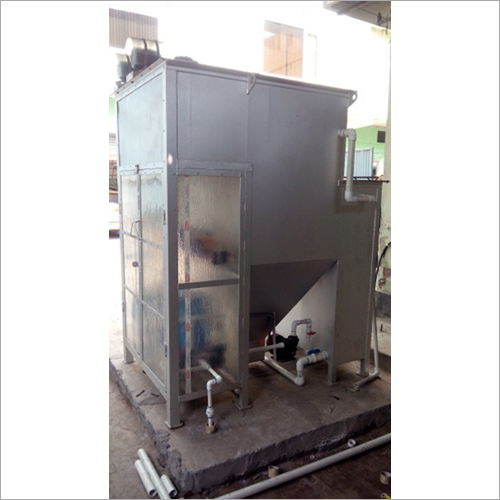
Tell us about your requirement

Price:
Quantity
Select Unit
- 50
- 100
- 200
- 250
- 500
- 1000+
Additional detail
Mobile number
Email

More Products in Effluent Treatment Plant Category
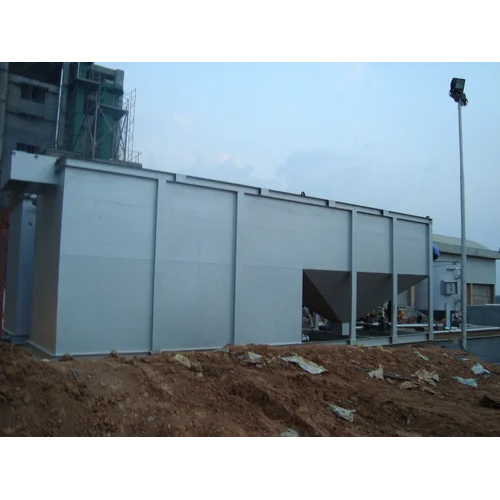
Biological Treatment Plants
Price 250000.00 INR / Plant
Minimum Order Quantity : 1 Set
Water Source : Industrial Wastewater, Municipal Sewage, Domestic Wastewater
Capacity : 10500 KLD (Kilo Litres per Day)
Material : Mild Steel/FRP/Stainless Steel
Installation Type : Containerized/Prefabricated/Onsite installation
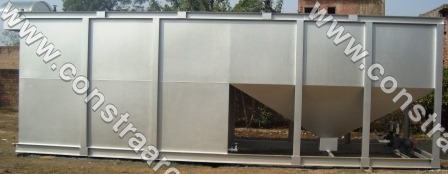
Waste Water Effluent Treatment Plant
Price 325000 INR / Plant
Minimum Order Quantity : 1 Plant
Water Source : Industrial Effluent
Capacity : 500 KLD
Material : Mild Steel
Installation Type : Modular Skid Mounted
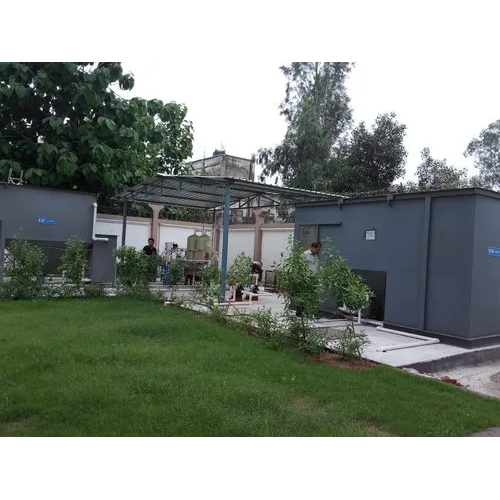
Biological Wastewater Treatment Plant
Price 250000.00 INR / Plant
Minimum Order Quantity : 1 Plant
Water Source : Industrial Effluent
Capacity : 500 KLD
Material : Mild Steel
Installation Type : Prefabricated
Compact E.T.P Phosphating
Price 325000 INR / Plant
Minimum Order Quantity : 1 Plant
Water Source : Borewell Water
Capacity : Up To 200 LPH
Installation Type : Complete Civil work with Installation

 Send Inquiry
Our Products
- Effluent Treatment Plant
- Sewage Treatment Plant
- Filtration Unit
- Water Treatment Chemical
- Axial Fan
- Wastewater Treatment Plant
- Effluent Treatment & Wastewater Treatment Plant
- Waste Water Treatment Plant
- Zero Liquid Discharge
- Reverse Osmosis Plant
- Greywater Treatment Plant
- Waste Water Treatment
- Air Pollution Control System
- Air Pollution Control Device


Samathal - Hashampur Gopal, SEZ Road, Pakbada,Moradabad - 244001, Uttar Pradesh, India

Mr. Chandra Mohan Srivastav
(C.E.O.)
Mobile :08037735925
 Send Inquiry
 Send SMS
 Call Me Free
Developed and Managed by Infocom Network Private Limited.


 English
 Spanish
 French
 German
 Italian
 Chinese (Simplified)
 Japanese
 Korean
 Arabic
 Portuguese