
Call us now :08037735925
 Send Inquiry
 Send Inquiry
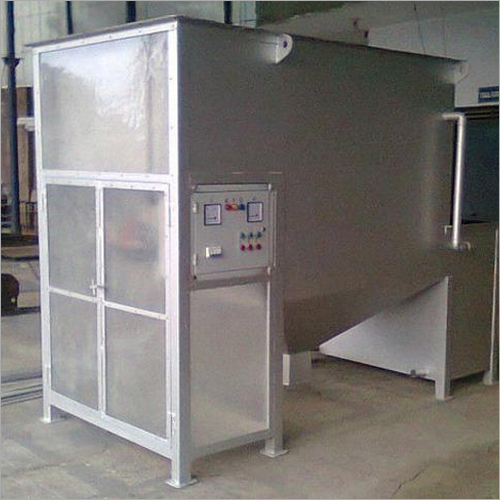
Industrial Effluent Treatment Plants
Price 250000.00 INR/ Plant
MOQ : 1 Plant
Industrial Effluent Treatment Plants Specification
- Treatment Technique
- Clarification & purification
- Capacity
- High throughput
- Ph Level
- Neutral-Adjustable
- Flow Rate
- Large-volume
- Material
- Corrosion-proof metal
- Automation Grade
- Automatic
- Membrane Size
- Industry standard
- Power
- 15-20kw
- Membrane Quantity
- Multiple units
- Water Source
- Industrial effluent
- Technology
- Multi-stage filtration
- Operation Type
- Continuous
- Pressure
- High pressure
- Dimension (L*W*H)
- Customizable sizes
- Weight
- Heavy-duty
- Color
- Steel grey
- Capacity Intel Flow Rate
- Up to several m3/hr
- Finishing
- Polished
- Voltage
- 380V
- Installation
- On-site setup
- Driven Type
- Electric
Industrial Effluent Treatment Plants Trade Information
- Minimum Order Quantity
- 1 Plant
- Payment Terms
- Cash in Advance (CID)
- Supply Ability
- 1 Plant Per Week
- Delivery Time
- 2 Week
- Main Export Market(s)
- Asia, Australia, Central America, North America, South America, Eastern Europe, Western Europe, Middle East, Africa
- Main Domestic Market
- All India
About Industrial Effluent Treatment Plants
Owing to the profound experience of variegated aspects of the industry, we are able to manufacture, supply and export Industrial Effluent Treatment Plants. Our plants are used for the treatment of water, which is released from the mining, processing chemicals, iron and steel industry, mines and quarries, food industry, complex organic chemicals industry and nuclear industry. Our offered plants are developed in accordance with the international quality standards to attain highest benchmarks of quality. High in performance, these Industrial Effluent Treatment Plants are available by us at industry leading prices.
Efficient Multi-Stage Treatment Process
Experience comprehensive water purification through multi-stage filtration and clarification techniques. The plants utilize multiple membrane units and high-pressure systems to achieve superior removal of contaminants. This results in significant improvement of effluent quality, ensuring compliance with environmental regulations and facilitating safe discharge or reuse.
Customizable High-Capacity Solutions
Our ETPs offer customizable sizes and configurations, addressing the diverse flow rates and capacity needs of industrial clients. Whether it's a compact setup for a specific site or a heavy-duty system for continuous, large-scale operation, our solutions align with client requirements without compromising on performance or durability.
FAQ's of Industrial Effluent Treatment Plants:
Q: How does the industrial effluent treatment plant operate automatically?
A: The plant incorporates advanced automation systems that monitor and control the entire treatment process, from influent entry to purified water discharge. Sensors and controllers individually manage filtration stages, chemical dosing, and membrane performance, reducing manual intervention and ensuring consistent results.Q: What type of industries benefit from installing this effluent treatment plant?
A: Industries that discharge large volumes of complex wastewaters-such as chemical, pharmaceutical, textile, food processing, and manufacturing plants-benefit significantly. The high-throughput and corrosion-resistant design make it ideal for environments where durability and efficiency are paramount.Q: When is on-site setup recommended for these ETPs?
A: On-site setup is recommended whenever immediate, continuous treatment of industrial effluent is needed to comply with local environmental norms. It is especially useful for plants with high wastewater volumes or those seeking to reduce logistics, minimize downtime, and ensure optimal operational control.Q: Where can these treatment plants be installed and exported?
A: The ETPs are suitable for installation at industrial facilities across India and can be exported to other regions as required. Their modular, customizable design allows them to be integrated seamlessly within a variety of site layouts and local infrastructural conditions.Q: What is the process involved in treating industrial effluent using this plant?
A: Industrial effluent is first subjected to preliminary filtration and clarification to remove solids and heavy particulates. It then passes through a series of membrane units under high pressure, ensuring advanced filtration and purification. The system regulates pH and adjusts water quality to meet stringent discharge or reuse criteria.Q: How is the high-flow, large-volume requirement addressed by the ETP?
A: The plant is built with multiple membrane modules and operates under elevated pressure conditions, allowing it to process large effluent volumes continuously. Customizable dimensions and robust engineering ensure efficient handling of high-capacity industrial flows with consistent treatment quality.Q: What are the primary benefits of choosing this effluent treatment plant?
A: Key benefits include reliable compliance with environmental laws, reduced maintenance through automatic operation, tailored capacity and sizing, durable corrosion-proof construction, and the ability to efficiently process high-volume, challenging effluent streams for safe discharge or reuse.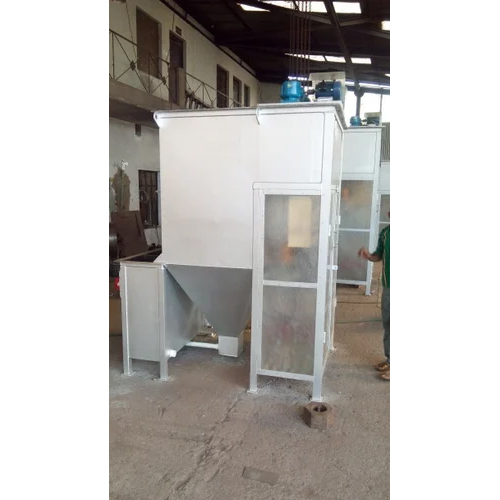
Tell us about your requirement

Price:
Quantity
Select Unit
- 50
- 100
- 200
- 250
- 500
- 1000+
Additional detail
Mobile number
Email

More Products in Effluent Treatment Plant Category
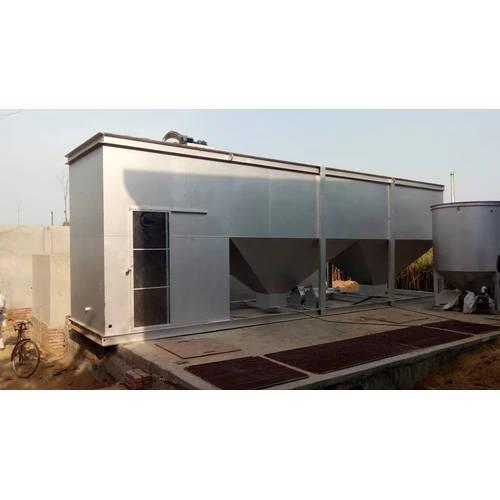
Dyeing Industry Effluent Treatment Plant
Price 250000.00 INR / Plant
Minimum Order Quantity : 1 Plant
Capacity : 500 KLD
Material : Mild Steel
Capacity Intel Flow Rate : 500 m3/day
Product Type : Other, Effluent Treatment Plant
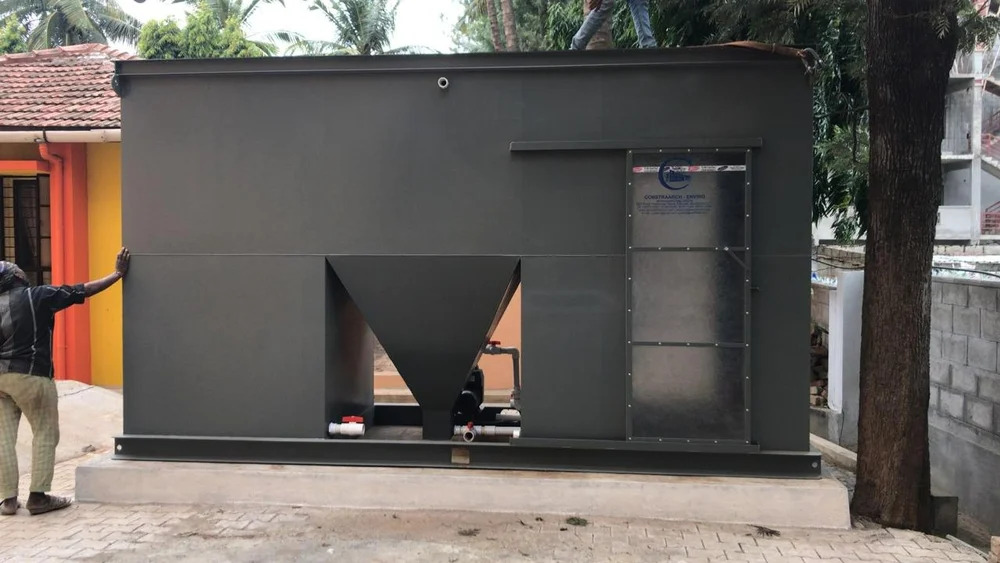
ZLD for Slaughter House
Price 1500000 INR / Piece
Minimum Order Quantity : 1 Piece
Capacity : 500 KLD
Material : Mild Steel
Capacity Intel Flow Rate : 50 m3/day
Product Type : Other, Effluent Treatment System
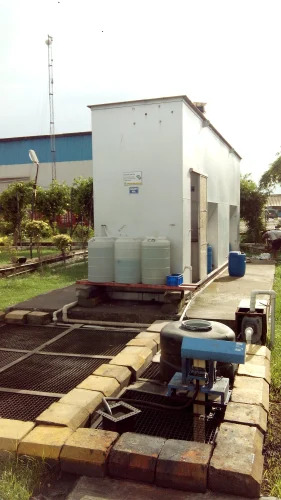
effluent treatment plant for Hotel industry
Price 340000 INR / Piece
Minimum Order Quantity : 1 Piece
Capacity : Up to 30 KLD
Material : Mild Steel/FRP
Capacity Intel Flow Rate : 50 m3/day
Product Type : Other, Effluent Treatment Plant
Packaged Effluent Treatment Plant
Price 325000 INR / Plant
Minimum Order Quantity : 1 Plant
Capacity Intel Flow Rate : 500 m3/day
Product Type : Other, Packaged Effluent Treatment Plant

 Send Inquiry
Our Products
- Effluent Treatment Plant
- Sewage Treatment Plant
- Filtration Unit
- Water Treatment Chemical
- Axial Fan
- Wastewater Treatment Plant
- Effluent Treatment & Wastewater Treatment Plant
- Waste Water Treatment Plant
- Zero Liquid Discharge
- Reverse Osmosis Plant
- Greywater Treatment Plant
- Waste Water Treatment
- Air Pollution Control System
- Air Pollution Control Device


Samathal - Hashampur Gopal, SEZ Road, Pakbada,Moradabad - 244001, Uttar Pradesh, India

Mr. Chandra Mohan Srivastav
(C.E.O.)
Mobile :08037735925
 Send Inquiry
 Send SMS
 Call Me Free
Developed and Managed by Infocom Network Private Limited.


 English
 Spanish
 French
 German
 Italian
 Chinese (Simplified)
 Japanese
 Korean
 Arabic
 Portuguese